

05 — A church for sale
If you know the building, tell us.
Brokers, members, neighbors, pastors: if a historic church in the center of a city is for sale, or about to be, we want to hear about it. We cannot promise to buy. We can promise a serious reading.
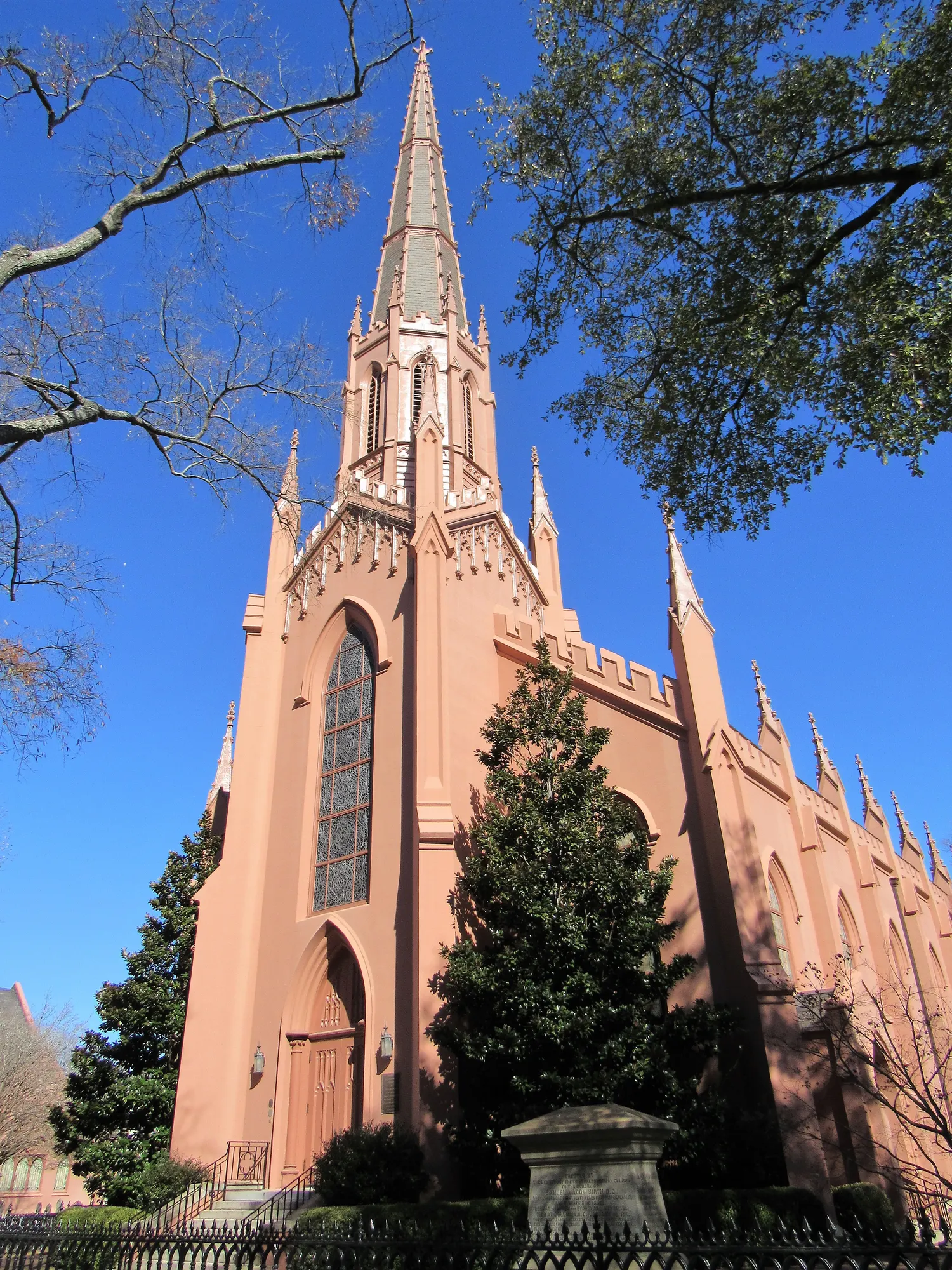
First Presbyterian Church, Columbia, South Carolina. A classical portico and steeple on a planted city lot.
Photograph by Farragutful. CC BY-SA 4.0. Source. Shown as an example. Not a property of American Church Conservancy.

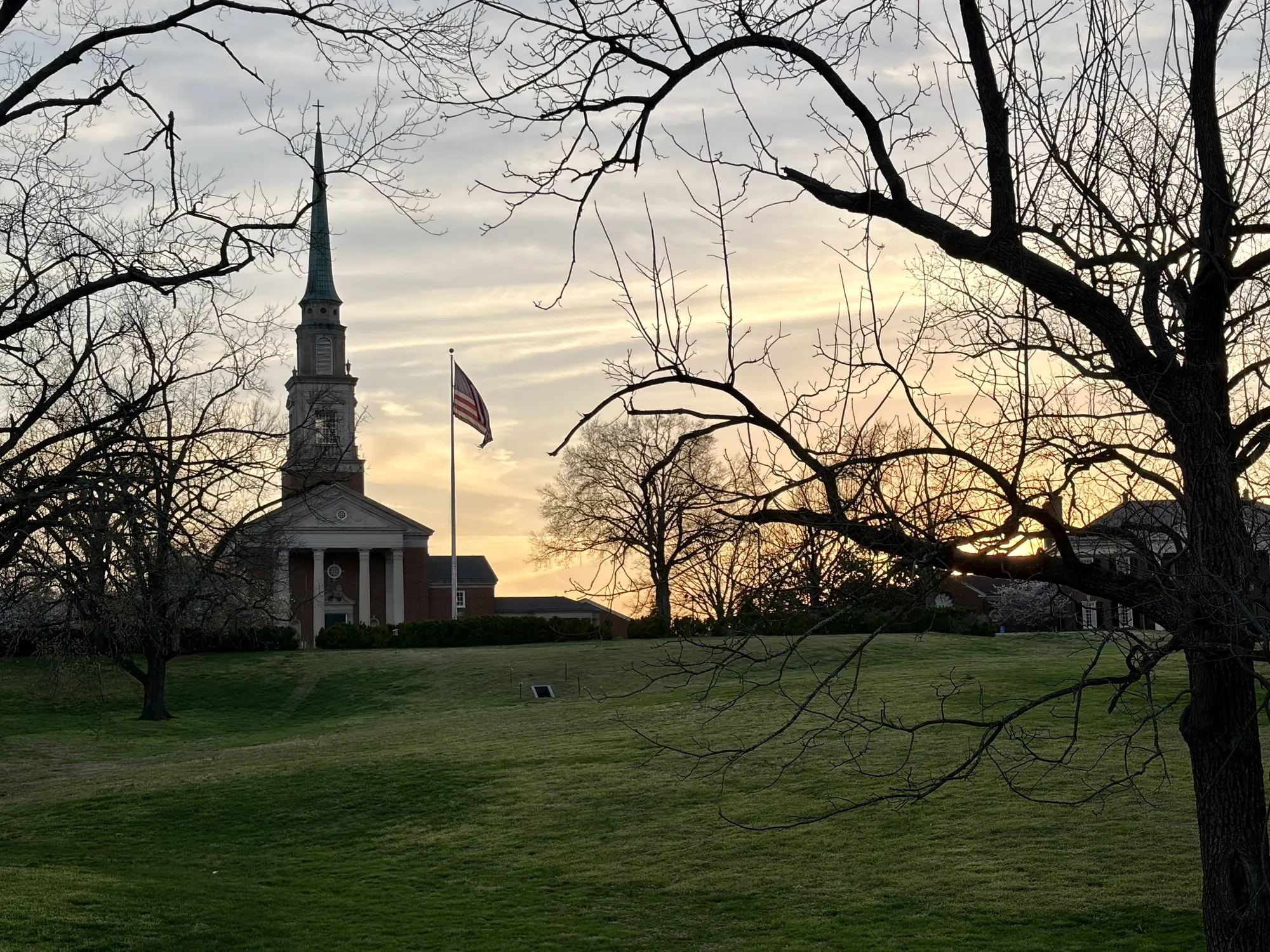
The chancel of First Presbyterian Church, Nashville. Pulpit, table, and organ in a room made for worship.
Photograph by Dclemens1971. CC BY 4.0. Source. Shown as an example. Not a property of American Church Conservancy.

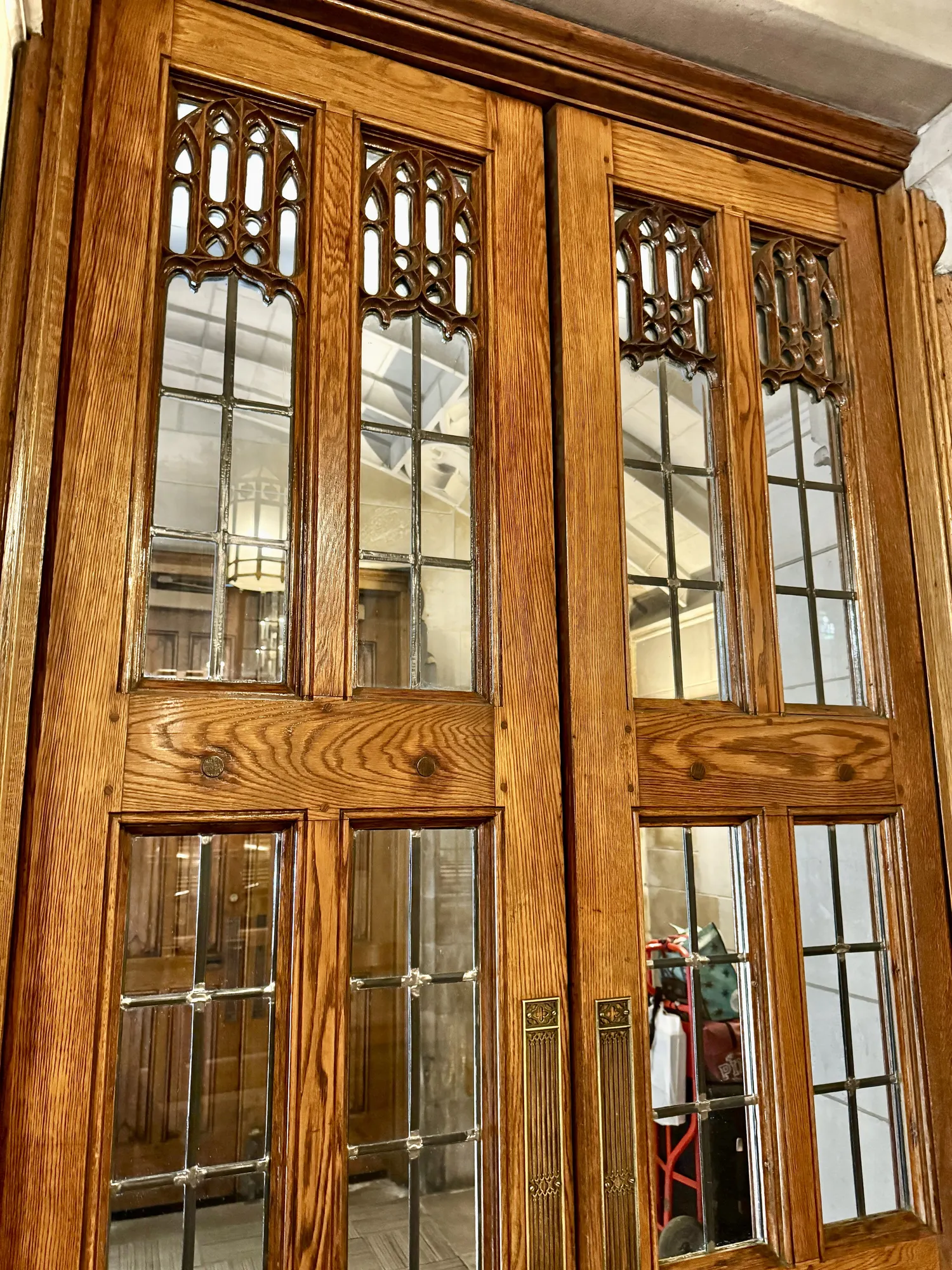
A door at Fourth Presbyterian Church, Chicago. Carved wood and iron, at the scale of the hand.
Photograph by w_lemay. CC BY-SA 2.0. Source. Shown as an example. Not a property of American Church Conservancy.

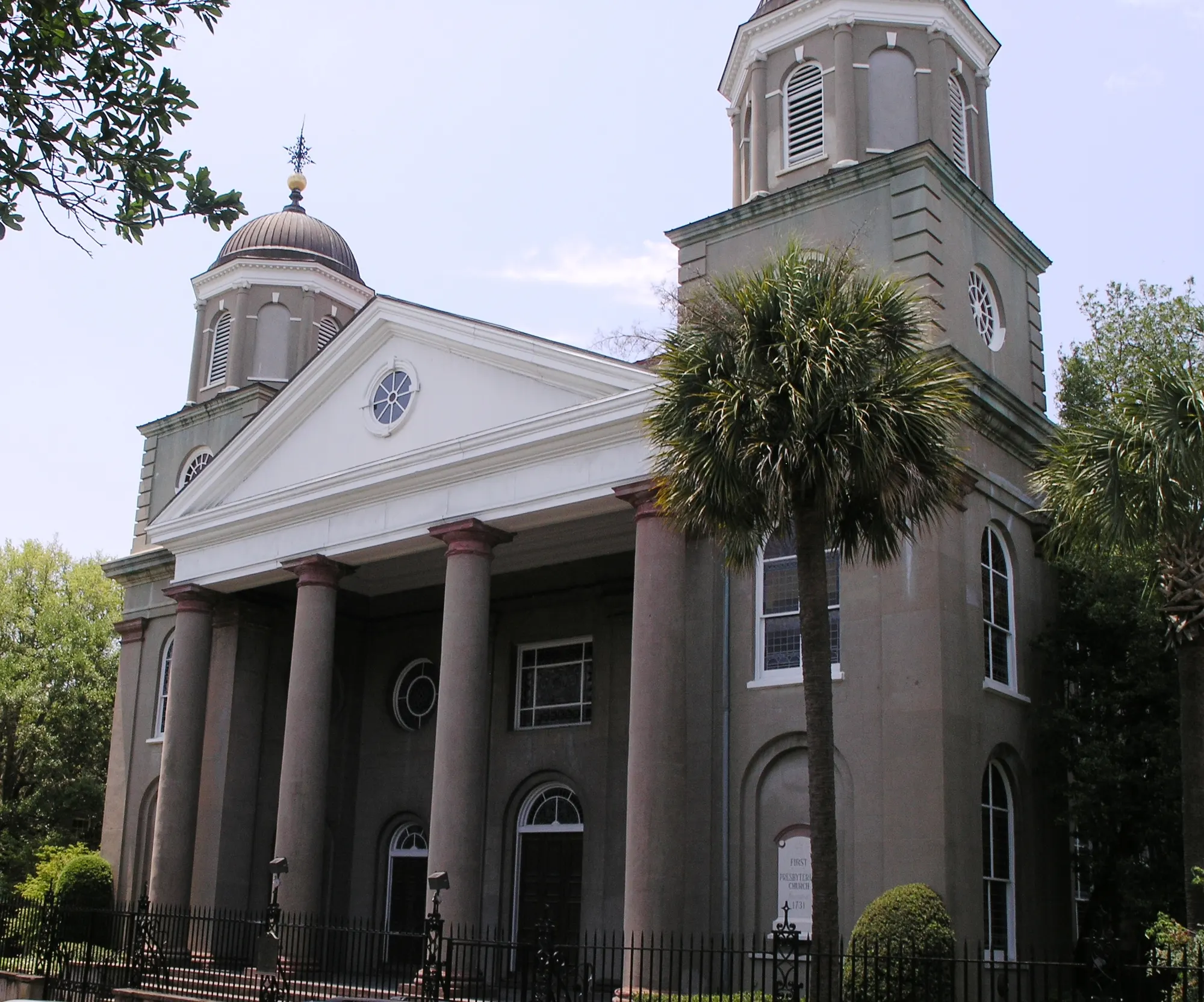
First (Scots) Presbyterian Church, Charleston, on Meeting Street. The circular portico and steeple above the street trees.
Photograph by Daniel Mayer. CC BY-SA 3.0. Source. Shown as an example. Not a property of American Church Conservancy.

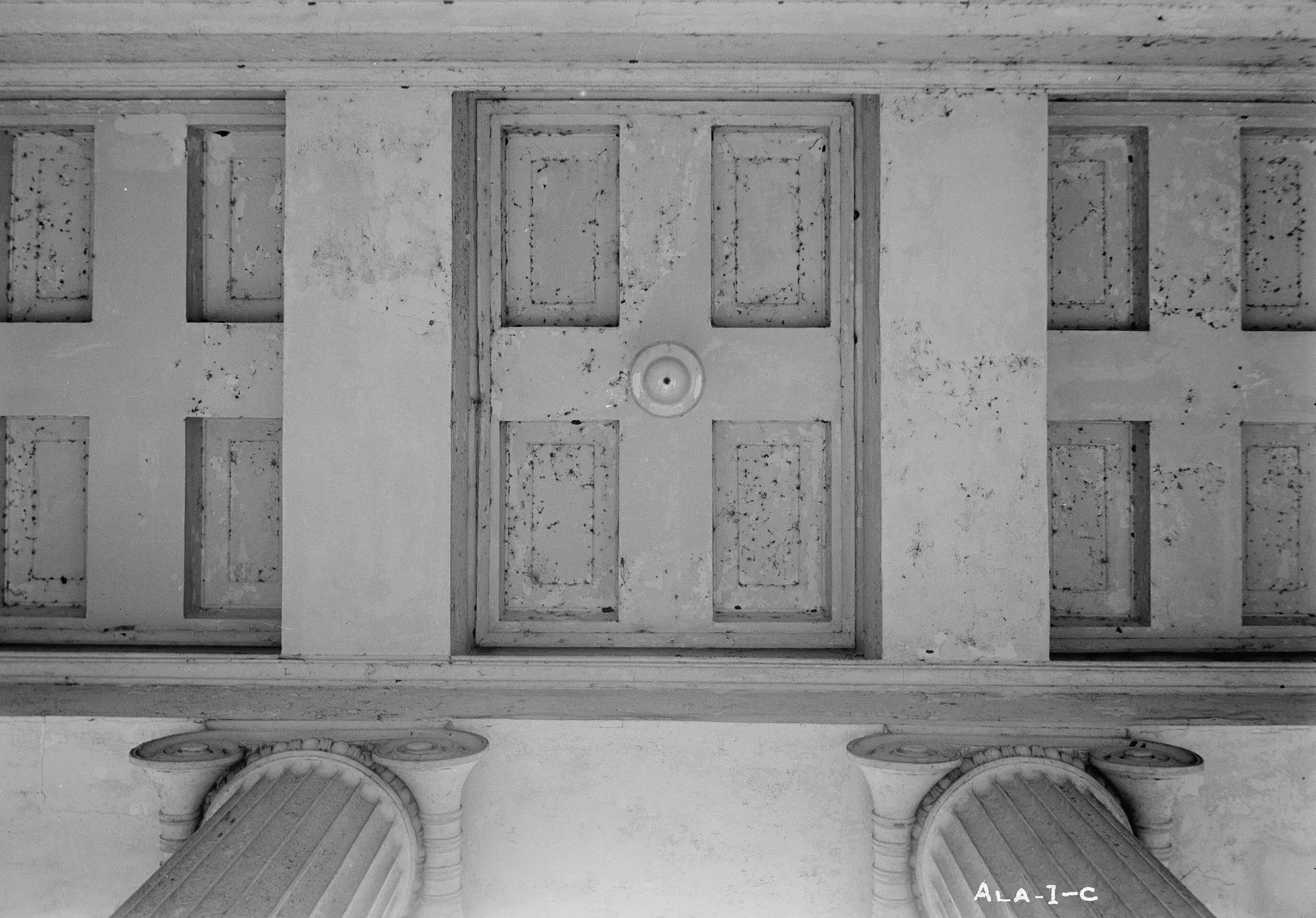
Government Street Presbyterian Church, Mobile, Alabama. A Greek Revival portico, recorded by E. W. Russell for the Historic American Buildings Survey.
Photograph by E. W. Russell. Public domain. Source. Shown as an example. Not a property of American Church Conservancy.

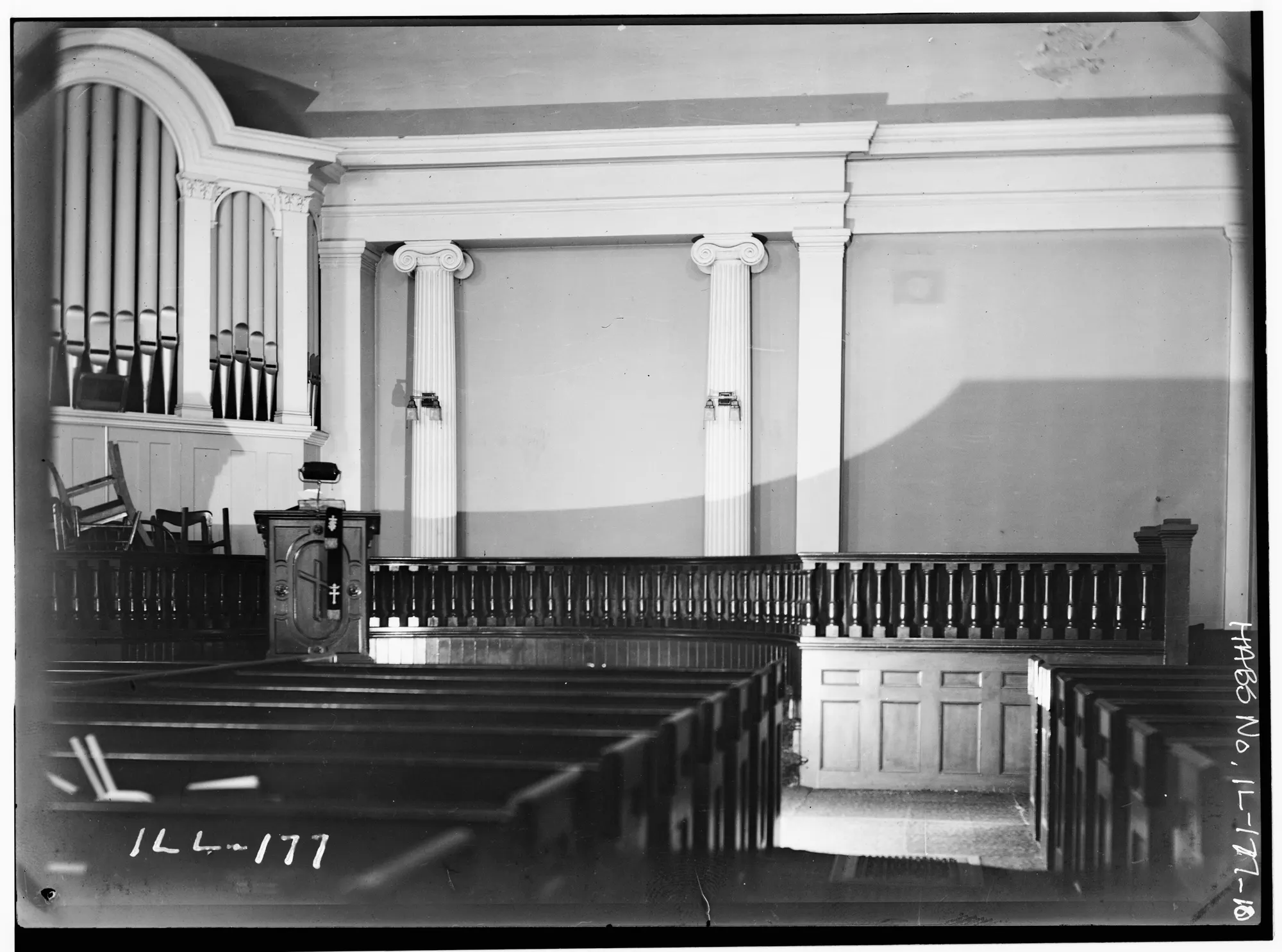
The pulpit of First Presbyterian Church, Galena, Illinois, recorded by the Historic American Buildings Survey.
Photograph by Historic American Buildings Survey. Public domain. Source. Shown as an example. Not a property of American Church Conservancy.
What is useful
- A city-center site, not a highway parcel at the edge of town.
- A building with real architectural presence: stone or timber, height, proportion, a room made for worship.
- A clear account of who owns it, whether it is listed, and any public asking price or listing link.
- Your relationship to it. A guess is fine if you say it is a guess.